Overview & Natural Geology
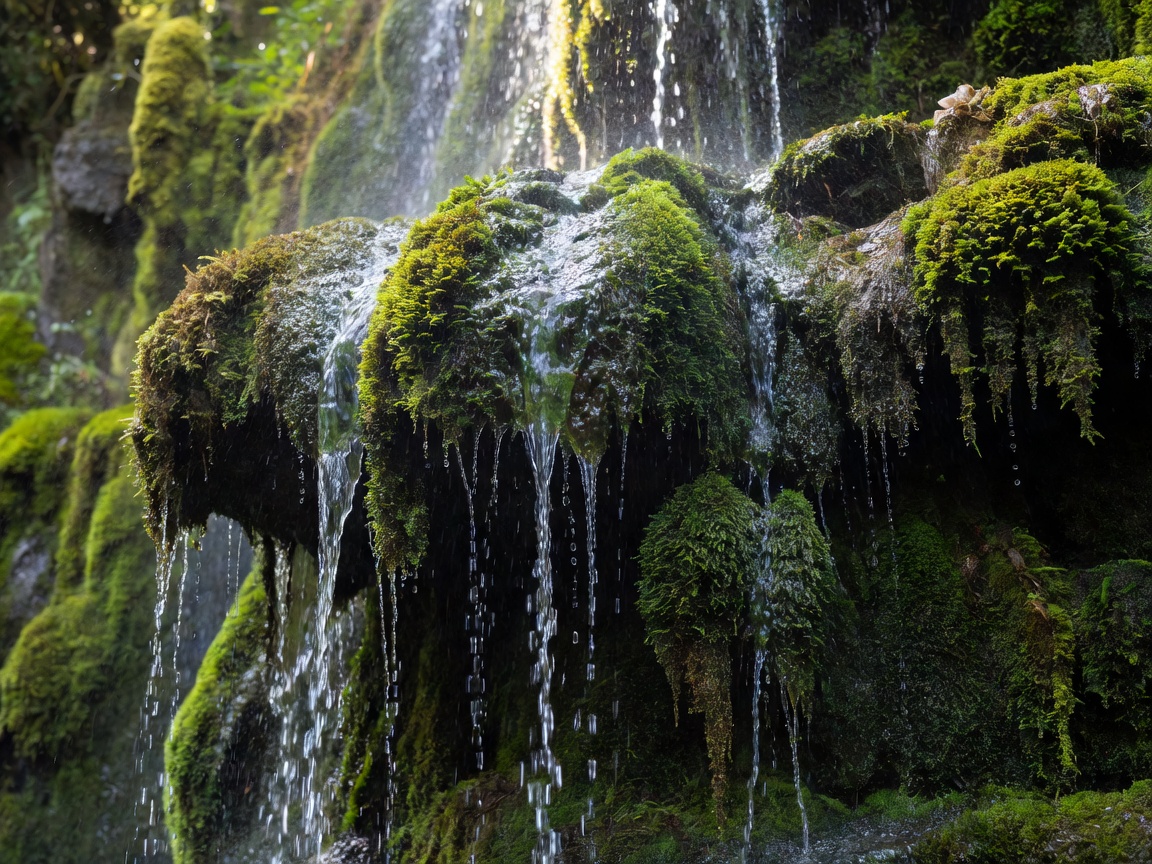
Mossbrae Emerald Cascades stands as one of the most remarkable weeping waterfalls in the High Peak Gorge corridor. Unlike standard stream-fed drop waterfalls, Mossbrae springs forth from porous limestone subterranean aquifers, filtering through a 120-foot-wide face clothed in rare, velvety maidenhair mosses and maiden ferns.
The gentle, continuous flow creates a soft mist ecosystem that maintains a microclimate nearly 10 degrees cooler than the surrounding pine canyon. Hikers will experience an enchanting auditory experience where water trickles down thousands of individual plant tendrils simultaneously.
📍 Navigation & Trail Waypoint Details
Trailhead Coordinates: 41°13'44.2"N 122°16'18.9"W
Elevation Gain: 340 feet gradual rise
Trail Type: Out-and-back along river canyon bank
Seasonality: Best visited late spring through autumn when water flow is consistent and moss greenery is fully saturated.
Route Description & Navigation Advice
The journey begins at the Moss Glen Canyon Access Parking lot. Follow the single-track river trail northward. At mile 1.2, you will encounter a shallow river crossing over basalt stepping stones. Tread carefully as rocks are blanketed in slick algae. Trekking poles with rubber tips are strongly recommended.
After crossing, continue through the cedar canopy until the canyon narrows into a natural amphitheater. The sound of water will transform from a distant roar into a serene hum as the wide weeping wall comes into full view.
Photography Recommendations & Lighting Windows
Because Mossbrae sits inside a steep canyon, direct sunlight creates harsh, unflattering contrast highlights. For ideal silky water shots, plan your visit during early morning overcast periods or 90 minutes before sunset when the canyon rests completely in soft shade.
Recommended Gear setup: A 24-70mm lens with a Circular Polarizer (CPL) is essential to cut glass-like reflections from the damp leaves and wet river rocks. Use a 3-stop or 6-stop Neutral Density (ND) filter at f/8 to f/11 for 1.5 to 3-second exposure times.