Riparian zones around canyon waterfalls harbor some of the most fragile microclimates on Earth. Thick cushions of moss and lichens anchor soil, filter stream run-off, and provide essential habitats for rare amphibians and aquatic insects.
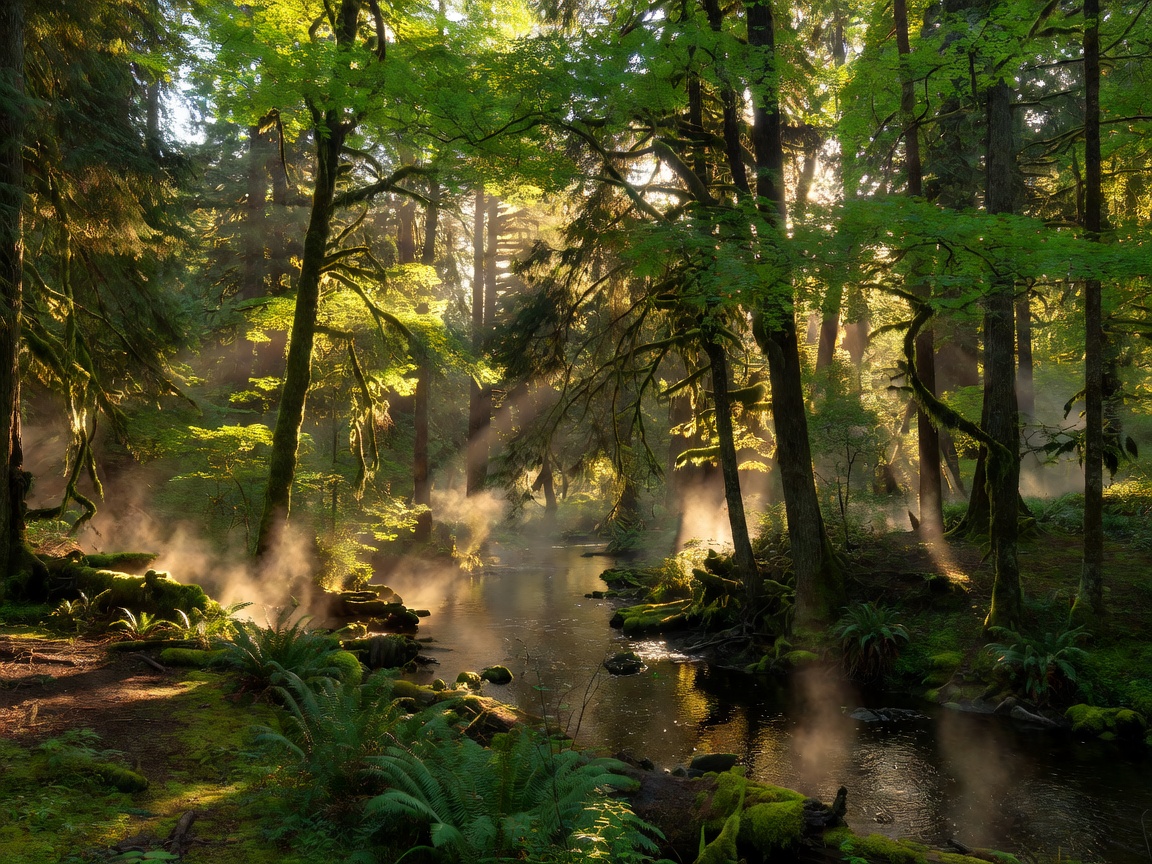
1. The Vulnerability of Century-Old Moss Walls
Mosses lack true root systems, relying on delicate hair-like structures called rhizoids to attach to damp rock surfaces. A single heavy boot print can strip away decades of slow moss growth, exposing rock faces to severe erosion and drying out subterranean springs.
2. Responsible Photography Guidelines
When positioning your tripod near waterfall plunge pools, follow these core ethical practices:
- Stay on Bare Rock or Gravel: Set tripod legs on solid slate or gravel beds rather than moss pads.
- Avoid Social Trail Braiding: Resist cutting new paths through canyon banks. Stick to established river edges.
- Pack Out All Gear & Trash: Ensure filter caps, lens wipes, and food packaging are securely stowed.
3. Supporting Ecosystem Monitoring
Report damaged trail sections or invasive weed species to local forest service groups using Sortsyreeltonc's trail reporting tools so conservation teams can take timely restoration action.