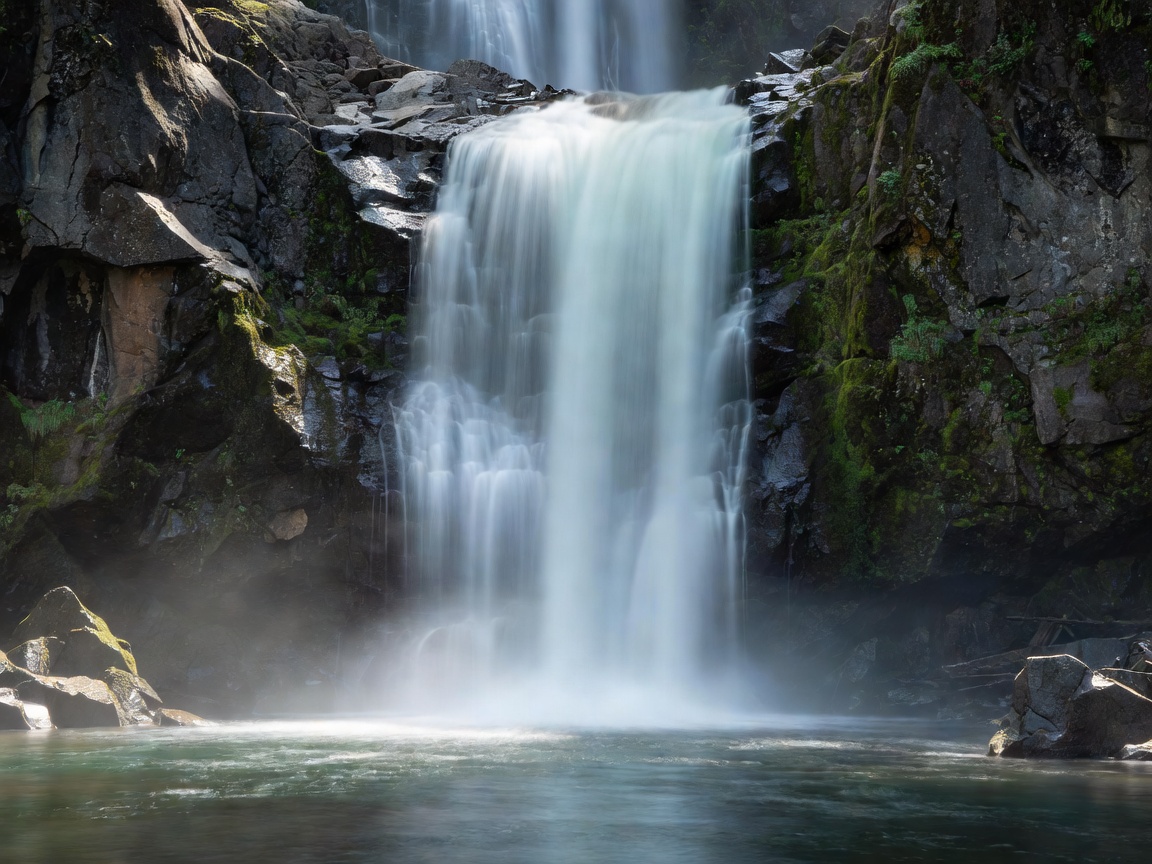
Capturing the ethereal movement of falling water requires balancing shutter speed, ambient light filtering, and absolute camera stability. While many beginners assume long exposure requires 30-second exposures, optimal waterfall textures are usually achieved between 0.5 seconds and 2 seconds.
1. Finding the Ideal Shutter Speed Range
Exposing for too long (e.g. 15-30 seconds) turns dynamic moving streams into featureless white mist, losing all organic texture. Conversely, a shutter speed that is too fast (1/250s) freezes water droplets, making the cascade look static and crunchy.
2. Selecting Neutral Density (ND) Filters
In forest canyons during daytime, light is often bright enough that an f/11 aperture at ISO 100 still yields a shutter speed of 1/60s. To slow down shutter speeds, you need glass neutral density filters:
- 3-Stop ND (ND8): Ideal during overcast early mornings or late dusk shading.
- 6-Stop ND (ND64): Perfect for bright midday dappled light filtering through tree leaves.
- Circular Polarizer (CPL): Cuts harsh glare off wet rocks, revealing deep saturated greens in moss.
3. Tripod Stabilization on Wet Surfaces
Always place tripod legs firmly into stream gravel or sturdy rock crevices. Extend thick leg segments first, keeping thin lower segments retracted for maximum rigidity against water currents.